Frequently Asked Questions
The experts at Surrey Moss Removal answer common questions about roof moss removal and exterior cleaning. If your question isn't answered here, feel free to reach out to us by phone at (604) 332-2010 or email at surreymossremoval@gmail.com.
What makes Surrey Moss Removal’s approach to moss removal different from other companies in the Lower Mainland?
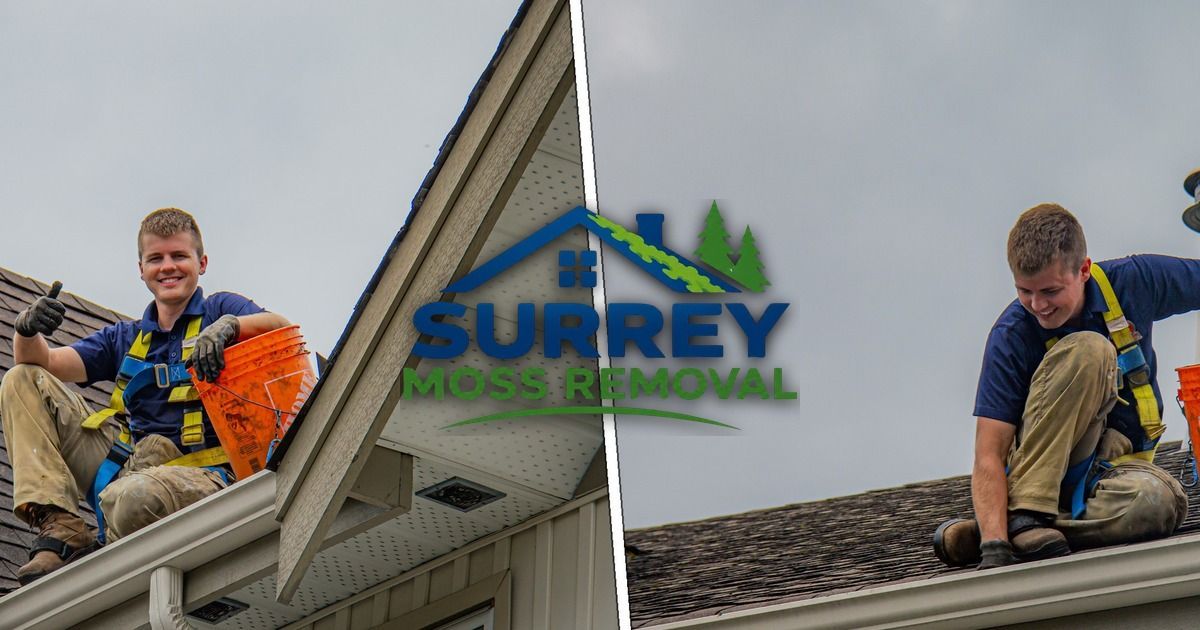
We combine careful hand removal of heavy moss with a professional soft-wash biocide treatment. In places like Brookswood and Walnut Grove in Langley, or Ocean Park and Crescent Beach near White Rock, the tree canopy is thick and the rain keeps roofs damp for months. Hand brushing first clears the thick mats that hold moisture against your shingles so the treatment can actually reach the roots and spores. A lot of companies just spray and leave the heavy growth in place. That slows results and lets the moss keep trapping water. Our method is built for the specific conditions we see on north-facing slopes and shaded streets across Surrey, South Surrey, and Langley.
How often should I have my roof cleaned or moss treated in Surrey, White Rock, or Langley?
Most homes in these areas benefit from professional treatment every two years. If your roof faces north, sits under large cedars or firs, or is in a heavily treed neighbourhood like Brookswood, Walnut Grove, or parts of South Surrey, you may need it every year or every 18 months. Our climate doesn’t get the hard freezes that kill moss in other parts of Canada, and we get roughly 1,200 to 1,500 mm of rain concentrated from fall through spring. That means growth continues almost year-round. Waiting longer usually means thicker mats, more granule loss, and a higher chance of lifted shingles.
Will soft washing or hand moss removal damage my asphalt shingles or void the warranty?
No, when it’s done correctly. High-pressure washing is what strips the protective granules and can void most manufacturer warranties. We never use high pressure on roofs. Soft washing applies a roof-safe solution at low pressure, similar to a garden hose, and hand removal uses soft brushes that lift moss without scraping the surface. Major shingle manufacturers recommend low-pressure chemical treatment for organic growth. In Surrey’s wet conditions this is especially important because moss already weakens the shingle edges. Aggressive cleaning would just make the problem worse.
Is the moss treatment safe for my plants, pets, and garden?
Yes, because we take extra steps to protect landscaping. Before we start we pre-wet plants and garden beds, keep them wet during the job, and rinse everything thoroughly afterward. This is particularly important in White Rock and South Surrey where many homes have dense plantings right up against the house, and in Langley neighbourhoods where mature trees and gardens are common. The treatment kills moss and algae on the roof without leaving a lasting residue that harms surrounding greenery.
How long does a typical roof cleaning and moss treatment take?
For an average residential roof in Surrey or Langley with moderate moss, expect three to five hours. Heavier growth on a larger or steeper roof, or a property with multiple levels, can take longer. Commercial jobs vary more depending on size and access. We schedule around weather when we can because the solution needs time to work and light rain afterward actually helps rinse dead moss away. You don’t have to be home the whole time for most residential jobs, but we prefer someone available at the start and finish for access and a walkthrough.
Does moss really damage my roof, or is it just cosmetic?
It’s not just cosmetic. Moss acts like a sponge and holds moisture against the shingles long after the rain stops. In our climate that constant dampness accelerates granule loss, lifts shingle edges, and can lead to rot in the underlayment or decking over time. On north-facing slopes in Fleetwood, Guildford, or Brookswood we regularly see shingles that have been pried up by thick moss mats. Left alone for several years it can shorten the practical life of an asphalt roof by five to ten years. It also clogs gutters with debris that then overflows and damages fascia and foundations.
When is the best time of year to clean my roof in the Lower Mainland?
Late fall (October to early November) is ideal for most properties because it treats the moss before the heaviest winter rains and gives the biocide time to work. Early spring is the next best window once temperatures are consistently above freezing. We can work through milder winter periods as long as it’s not freezing or excessively windy. In areas with heavy leaf drop like Walnut Grove or Ocean Park, combining roof work with a late-fall gutter clean makes a lot of sense so you’re not dealing with a full system of debris heading into the wet season.
Can I just pressure wash the moss off myself?
We strongly advise against it. Pressure washing removes the visible moss but also strips the granules that protect your shingles from UV and weather. That shortens the roof’s life and often voids the warranty. It also doesn’t kill the roots and spores, so the moss usually comes back faster. Wet moss-covered roofs are extremely slippery, and falls from ladders or roofs are a common cause of serious injuries in BC. Professional crews use fall protection, the right tools, and the right chemistry. For the cost of a proper treatment you protect both your roof and yourself.
How long will the results last, and will the moss come back?
With proper hand removal plus soft-wash treatment, most roofs in Surrey, White Rock, and Langley stay noticeably cleaner for two to three years, sometimes longer on sunnier exposures. The treatment kills existing growth at the root, but new spores are constantly blowing in from the surrounding trees and parks. That’s why shaded properties under mature cedars or firs need more frequent attention.
Do you clean cedar shake or other roof types besides asphalt?
Yes. Cedar shakes and shingles need a gentler approach than asphalt because they’re more absorbent and can be damaged by the wrong solution or technique. We adjust the product and method for cedar, metal, tile, and other materials common in the area. Cedar is especially common on older homes in Brookswood and parts of South Surrey, and it benefits from regular careful treatment because moss and algae accelerate its deterioration in our damp climate. We’ll always inspect first and recommend the safest method for your specific roof.
What about gutters? Do they need cleaning at the same time as the roof?
Almost always. Moss and debris from the roof end up in the gutters, and in our heavy-rain months clogged gutters overflow quickly. That water then runs down the fascia, soaks the siding, and can enter the foundation or basement. Homes under tree cover in Langley or South Surrey often need gutters cleaned twice a year. Doing the roof and gutters together is more efficient and prevents the newly cleaned roof from immediately feeding debris back into the system. We remove the moss mats and fine organic material that pressure-only methods leave behind.
Is house washing or siding cleaning necessary in this climate, and how often?
Yes for most homes. The same moisture, shade, and organic particles that grow moss on roofs also create algae, mildew, and staining on vinyl, wood, stucco, and hardboard siding. North-facing walls and areas under overhangs or trees stay damp longer, so growth builds up faster in places like Walnut Grove or Ocean Park. Most homeowners see good results every two to four years depending on exposure and landscaping. Soft washing is the preferred method here because it kills the growth at the root without forcing water behind the siding or damaging the finish.
Will house washing or soft washing damage my landscaping or plants?
We take the same protective steps as with roof work. Plants are pre-wetted, kept wet during the job, and thoroughly rinsed afterward. The solutions we use are designed to break down safely. In neighbourhoods with dense gardens right against the house, like many in White Rock and South Surrey, this protection is especially important. Most customers are surprised how little impact there is on their plants when the job is done properly.
How does window cleaning differ in Surrey and Langley compared with drier areas?
Windows here collect more than ordinary dust. Fine needles, pollen, and bark dust from the cedars and firs common in Brookswood, Walnut Grove, and Ocean Park mix with moisture and create a persistent film. North-facing and shaded windows stay damp longer, so algae and mineral deposits form more readily. A standard wipe often leaves streaks that reappear quickly in our humidity. We address the organic film and local debris specifically so the results last longer between cleanings.
Are your services safe for commercial properties and strata buildings?
Yes. We work on both residential and commercial properties across Surrey, Langley, White Rock, and surrounding areas. For strata or multi-unit buildings we coordinate with property managers or councils, handle access and safety requirements, and can work outside normal business hours when needed. Commercial roofs and exteriors often have heavier moss or algae loads because of larger shaded areas or flat sections that hold debris. Soft washing and careful hand removal protect the building envelope while improving curb appeal for customers and tenants.
What are the risks of ignoring moss and algae on a commercial building?
Beyond appearance, moss and algae create slip hazards on walkways, driveways, and entrances, which raises liability concerns. On the roof they can lead to leaks that disrupt operations or damage inventory. Clogged gutters from roof debris can cause water to back up and stain or rot exterior finishes. In a competitive area like Surrey or Langley, a neglected exterior also affects how customers perceive your business. Regular professional cleaning is usually far less expensive than dealing with water damage, slip-and-fall claims, or lost business from poor curb appeal.
Do you offer packages that combine roof cleaning, gutters, house washing, and other services?
Yes. Many homeowners and property managers prefer to bundle roof cleaning or moss treatment with gutter cleaning, house washing, window cleaning, or driveway and patio work. It saves time, reduces the number of visits, and often costs less than booking each service separately. For properties in heavily treed areas like Brookswood or South Surrey, a combined approach addresses the whole exterior system at once so debris from one area doesn’t immediately affect another.
How much does roof cleaning or moss removal typically cost?
Our average roof moss removal with soft wash job ranges between $800 to $1,100. Pricing depends on roof size, pitch, access, amount of moss, and material. For a typical single-family home in Surrey or Langley, most jobs fall in a range that reflects those factors. We provide free, no-obligation quotes after a quick assessment so you know the exact cost upfront. Commercial and larger properties are quoted based on the specific scope. Investing in proper treatment is almost always cheaper than premature roof repairs or replacement caused by years of untreated moss in this climate.
What should I do to prepare before you arrive?
Clear the driveway and any areas where we’ll need access or to set up equipment. Move vehicles if possible and let us know about any pets, locked gates, or special access instructions. You don’t need to cover plants yourself. We handle the protection. If you have a preferred parking spot or any concerns about neighbours or strata rules, just mention them when we book. Most jobs require only basic access and we take care of the rest.
Can you work on steep roofs or multi-storey homes?
Yes. We use proper fall protection and equipment suitable for steeper pitches and multi-level homes common in newer developments across Surrey and Langley. Safety is non-negotiable, and our technicians are trained and insured for working at height. If a roof is unusually steep or has limited access we’ll discuss the best approach during the quote so there are no surprises.
What happens to the moss and debris after you remove it?
We remove the bulk moss and debris from the roof and property rather than leaving it to wash into your gutters or garden. Dead moss left on the surface can reseed or clog drainage. Proper cleanup is part of the job so your property is left tidy. In areas with heavy growth this makes a noticeable difference compared with spray-only methods that leave the material behind.
Do you provide any kind of guarantee or follow-up?
We stand behind our work. If you’re not satisfied with the results we’ll make it right. Many customers also schedule periodic maintenance so the roof stays ahead of the growth cycle instead of waiting until the moss is thick again. In our climate, consistent light maintenance is usually more effective and less expensive than letting the problem rebuild for several years.
Is there anything I can do between professional cleanings to slow moss growth?
Trimming overhanging branches so more sunlight and airflow reach the roof helps a lot, especially on north-facing slopes. Keeping gutters clear prevents water from backing up under the shingles. Avoid walking on the roof yourself if you can. Some homeowners install zinc or copper strips at the ridge for ongoing prevention. These steps won’t replace professional treatment in our climate, but they extend the time between cleanings and reduce the severity of growth.
How does the local tree canopy specifically affect roofs in Brookswood, Walnut Grove, and South Surrey?
These areas have mature cedars, firs, and other large trees that create deep shade and drop needles and organic debris year-round. That combination keeps roof surfaces cooler and damper while providing a constant food source for moss and algae. North-facing and lower-slope sections under the canopy are almost always the first to show heavy growth. Properties in these neighbourhoods typically need more frequent attention than homes in more open or sunnier locations elsewhere in the Lower Mainland. Our local experience means we know which exposures and tree types create the biggest challenges and how to treat them effectively.
What if I have more questions?
If you have more questions never hesitate to reach out to us. Email us any time or our phone is during open hours. We're open Monday to Friday, 8 am to 4:30 pm. Our friendly staff will answer your question over the phone or by email to the best of our ability. Get in touch with us today!